
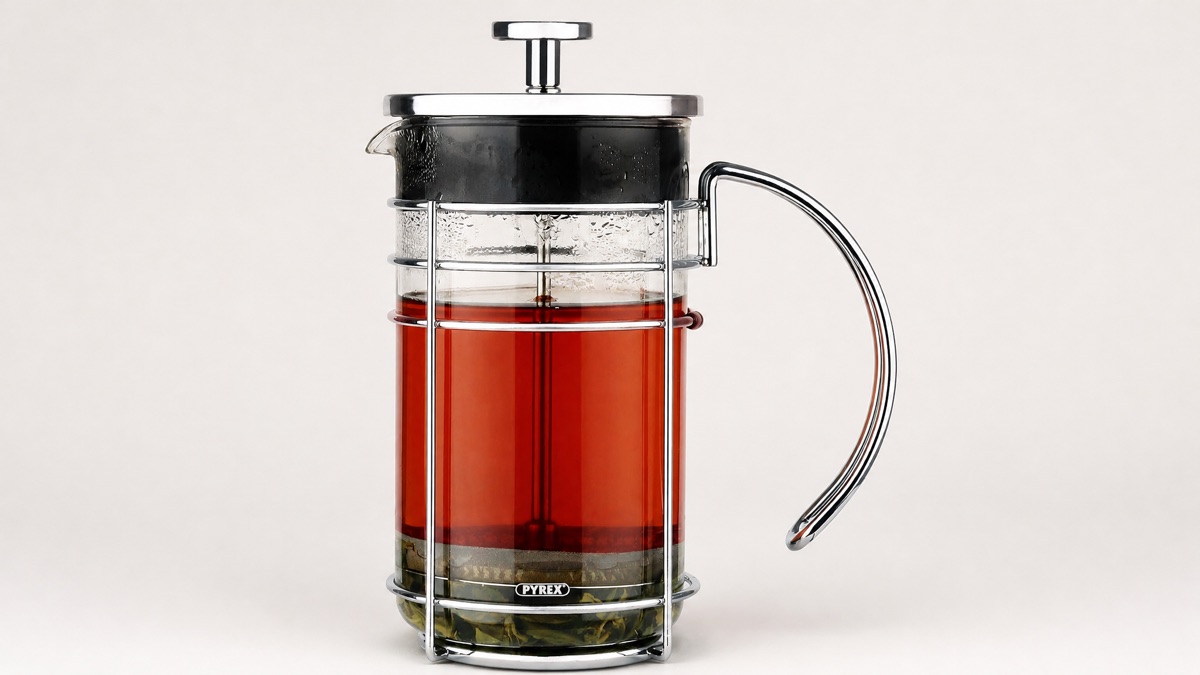
Glad you found this Grosche coffee maker review, I'm Mark. A Grosche coffee maker is a manual brewer from GROSCHE, a Canadian, family run brand. The range covers Milano moka pots, Madrid and Dublin French presses and the Amsterdam pour-over. None of them needs electricity, pods or paper filters.
Brazilian Cerrado beans are my go-to for judging French presses. The Grosche presses steep coarse coffee for 3 to 4 minutes, and the Amsterdam drips through a steel filter. Owners rate the brewers between 4.4 and 4.8 out of 5. Praise goes to design and cleanup, while complaints focus on fragile glass and Milano leaks.
My opinions here are my own, shaped by café work and research. Grosche prices run from about $28 to $60 in the US, and the warranty skips broken glass. The Dublin wins on heat and durability, while the Madrid wins on price and sizes.
What Is a Grosche Coffee Maker?
A Grosche coffee maker is a manual, non-electric French press, pour-over or moka pot from the Grosche brand. The range covers the Milano stovetop pots, glass and steel presses, and the Amsterdam glass pour-over.
A Grosche brewer needs no pods, no paper filters and no machine. Hot water and ground coffee do all the work. The presses need only a kettle, so they also travel well for camping trips.
Each Grosche brewer makes a different cup. The range falls into three brew methods:
- Moka pot: The Milano stovetop pots make concentrated, intense coffee. Grosche calls the Milano a stovetop espresso maker, or an Italian coffee maker. It follows a design that Alfonso Bialetti introduced in Italy in 1933.
- French press: The glass and steel presses make full-bodied coffee.
- Pour-over: The Amsterdam glass pour-over makes cleaner, more controlled coffee.
The brew method sets the taste of the cup, so it comes before the size choice.
A cup means different things across the Grosche range. Milano sizes count small espresso cups, so a 3 cup Milano makes about 5 fl oz (148 ml). A 1000 ml (34 fl oz) press makes 3 to 4 mugs.
Grosche presses also brew tea. The Madrid, York, Melbourne and Seville handle loose leaf and blooming tea. The same presses make cold brew coffee when the brew rests in the fridge.
Which Grosche Coffee Makers Are Sold?
Grosche coffee makers are sold in three kinds: Milano moka pots, French presses and the Amsterdam pour-over. The Milano comes in 3, 6, 9 and 12 cup sizes, plus Milano Steel and Milano Induction for induction stoves.
The Grosche French press line has five models:
- Madrid: This press pairs glass with chrome.
- Dublin: This press is double-wall stainless steel.
- Seville: This press is glass with a single filter, an easy-press knob and a non-slip base.
- Melbourne: This press has a bamboo lid, a cork base and a heatproof glass beaker.
- York: This press uses a heatproof glass beaker. The York comes in 350 ml (11.8 fl oz) and 1000 ml (34 fl oz) sizes.
The third kind is the Amsterdam pour-over, part number GR 346. A double walled glass top sits on an 850 ml (28.7 fl oz) carafe.
Grosche Coffee Maker Lineup:
| Model | Type | Main Material |
|---|---|---|
| Milano | Moka pot | Aluminum |
| Milano Steel / Induction | Moka pot | Stainless steel base |
| Madrid | French press | Glass and chrome |
| Dublin | French press | Double-wall 18/8 steel |
| Seville | French press | Glass |
| Melbourne | French press | Glass, bamboo lid, cork base |
| York | French press | Glass |
| Amsterdam | Pour-over | Glass and steel filter |
Grosche also sells spare parts. Replacement beakers, filter screens and filter rods are listed. The Dublin has its own filter and rod set and a separate lid.
Grosche brewers are sold at Amazon, Walmart, Target, Kohl's and Wayfair in the US. Grosche also sells direct from its own store.
Who Makes Grosche Coffee Makers?
The company that makes Grosche coffee makers is GROSCHE, a Canadian, woman owned and family run Certified B Corporation. Orders ship from warehouses in Cambridge, Ontario and in the US.
Founders Helmi and Mehreen started GROSCHE in their basement in 2006. The company is still family owned and operated.
The company also ties each sale to a social cause. Every GROSCHE purchase funds 50+ days of safe drinking water through the Safe Water Project. The project has funded over 2,800 Biosand water filters. GROSCHE has been carbon neutral since 2010.
The products themselves are built elsewhere. The Dublin press lists China as its country of origin. GROSCHE works only with factories verified for social and environmental compliance.
How Does a Grosche Coffee Maker Work?
A Grosche coffee maker works by steeping, dripping or steam pressure, based on the model. Grosche makes three main types:
- French press: This model steeps coarse grounds in hot water for 3 to 4 minutes. A mesh plunger then pushes the grounds to the bottom.
- Amsterdam pour-over: This model uses gravity. Water passes through the coffee in the glass top. A double-layer steel filter lets the brew drain into the carafe below.
- Milano moka pot: This model uses steam pressure on the stove. Water in the lower chamber heats up. Pressure pushes the water through the coffee basket into the top chamber. The Milano makes strong coffee, not pump espresso.
A moka pot brews at about 1.5 bar (22 psi) of steam pressure. An espresso machine targets about 9 bar (131 psi) at the coffee. Because of this gap, the Milano cannot build true crema, the foam layer on espresso.
Grosche splits the Milano into three parts: the bottom boiler, the coffee funnel and the top chamber. The pot sits on low to medium heat. When coffee starts to emerge, the heat goes down. The brew is ready once the gurgling stops.
Contact time explains the taste gap between the press and the pour-over. A press keeps water and grounds together for minutes, so the cup turns full and heavy. Pour-over water passes through once, so the cup tastes cleaner.
How Do You Brew With a Grosche French Press Coffee Maker?
Brewing with a Grosche French press needs coarse coffee, a 3 to 4 minute steep and a slow press. The plunger stays up during the steep.
The Grosche brew steps are simple. Coarse coffee goes into the beaker first. Hot water soaks all the grounds. The lid goes on with the plunger up. After 3 to 4 minutes, a gentle press finishes the brew.
Steps:
- Put coarse ground coffee in the beaker.
- Pour hot water to soak all the grounds.
- Set the lid on with the plunger up.
- Wait 3 to 4 minutes, then press gently and pour.
Grosche suggests one tablespoon of ground coffee per 8 oz (237 ml) of water. Water near 200 F (94 C) works best. More coffee gives a stronger cup.
The grind must be coarse. Finer grounds seep through the Grosche filters and leave grit in the cup.
The whole batch should be poured right after pressing. Coffee left on the grounds turns heavier and more bitter.
A hot water rinse warms a glass Grosche beaker before brewing. The warm glass reduces the first temperature drop.
How Does the Grosche Amsterdam Pour-Over Coffee Maker Work?
The Grosche Amsterdam pour-over works by dripping water through coffee held in a removable glass top. A double-layer stainless steel filter sits in that top, and the brew drains into a matching glass carafe.
The Amsterdam filter does not trap natural coffee oils. The cup has more body than a paper-filter brew. Paper still gives more clarity.
The Amsterdam rewards technique. A bloom pour comes first. Controlled pulses follow, and a gooseneck kettle makes them easier. A medium grind is the starting point.
Grind size then fixes most Amsterdam problems. A stalled drawdown calls for a coarser grind. A fast, thin brew calls for a finer grind.
What Features Does a Grosche Coffee Maker Have?
Grosche coffee maker features include dual filters, heat-holding lids, insulated steel walls and dishwasher-safe parts. The exact set depends on the model.
The Grosche Madrid shows how the filters and lid work together. It has a three-part stainless steel plate filter, and a second filter sits in the lid. Turning the lid closes the spout and holds heat. Turning it back opens the pour.
The Grosche Dublin keeps heat in a different way, with double wall insulation. A measuring scale is printed inside. The non-drip spout pours clean, and a double-sided mesh filter holds back most grit.
The Grosche Milano Steel and the Milano Induction work on induction cooktops. Grosche sells the Milano Steel in 6 cup and 10 cup sizes inside its induction range. The standard aluminum Milano suits gas and electric stoves.
Material also decides how each model is cleaned. Most Grosche presses are dishwasher safe. The Madrid, York and Dublin all go in the dishwasher, though hand washing is advised for the plunger. The Melbourne has a bamboo lid and a cork base, so it needs hand washing.
The aluminum Grosche Milano stays out of the dishwasher. Grosche warns that the aluminum oxidizes, turns black and tarnishes there. A warm water rinse and a full dry keep the pot clean.
Which Grosche Coffee Maker Sizes Are Available?
Grosche coffee maker sizes range from 350 ml (11.8 fl oz) to 1500 ml (51 fl oz) for presses. The Madrid comes in all three sizes. The Madrid 350 ml press makes 1 to 2 cups. The 1000 ml (34 fl oz) model makes 3 to 4 cups. The 1500 ml model makes 4 to 5 cups.
Other Grosche presses use one or two sizes. The Dublin holds 1000 ml (34 fl oz), up to 8 cups. Three more presses fill out the line:
- Melbourne: This press holds 1000 ml.
- Seville: This press also holds 1000 ml.
- York: This press comes in 350 ml and 1000 ml.
Grosche Sizes:
| Model | Capacity | Yield |
|---|---|---|
| Madrid 350 | 350 ml (11.8 fl oz) | 1 to 2 cups |
| Madrid 1000 | 1000 ml (34 fl oz) | 3 to 4 cups |
| Madrid 1500 | 1500 ml (51 fl oz) | 4 to 5 cups |
| Dublin | 1000 ml (34 fl oz) | Up to 8 cups |
| Amsterdam | 850 ml (28.7 fl oz) | 2 to 3 large cups |
The Amsterdam holds 850 ml (28.7 fl oz), or 2 to 3 large cups.
Milano sizes use small espresso cups, so the cup counts reflect small servings.
- 3 cup: The 3 cup makes about 5 fl oz (148 ml).
- 6 cup: The 6 cup makes 9.3 fl oz (275 ml).
- 9 cup: The 9 cup makes 15.2 fl oz (450 ml).
- 12 cup: The 12 cup makes 23.6 fl oz (698 ml).
What Are Grosche Coffee Makers Made Of?
Grosche coffee makers are made of borosilicate glass, 18/8 stainless steel, chrome and food-grade aluminum. The glass beakers are heatproof and do not cloud or add flavor.
The Grosche Madrid uses a chrome housing around its glass beaker. An 18/8 heavy-gauge rod drives the plunger. The Madrid has one plastic part. The underside of the lid holds the second filter and is plastic.
The Grosche Dublin skips glass and is made entirely of polished 18/8 stainless steel. A powder coating imported from the Netherlands covers the outside.
The standard Grosche Milano uses food-grade aluminum instead. A silicone gasket seals it, and an Italian safety valve guards the pressure. The Milano Induction swaps in a stainless steel lower chamber.
What Do Grosche Coffee Maker Reviews Say?
Grosche coffee maker reviews say the brewers are well made, with ratings between 4.4 and 4.8 out of 5. The Madrid 34 oz holds 4.6 out of 5 from 1,146 Amazon ratings.
The Grosche Dublin rates 4.4 out of 5 from 177 Amazon ratings. Wayfair voters give it 4.8 out of 5 from 80 votes. The Amsterdam pour-over rates 4.4 out of 5 from 29 votes.
Grosche Ratings:
| Model | Rating | Count |
|---|---|---|
| Madrid 34 oz (Amazon) | 4.6 / 5 | 1,146 |
| Dublin (Amazon) | 4.4 / 5 | 177 |
| Dublin (Wayfair) | 4.8 / 5 | 80 |
| Amsterdam (Wayfair) | 4.4 / 5 | 29 |
The Grosche Milano 9 cup rates 4.4 out of 5 on Amazon. Of 2,480 owners who mention quality, 2,220 are positive.
Those Grosche Milano counts work out to about 90 percent positive on quality. Brew quality lands at about 91 percent, with 746 of 823 mentions positive.
Sample size changes how much each Grosche rating means. The Amsterdam score rests on 29 votes. The Madrid score rests on 1,146 ratings, so it carries more weight.
Praise for Grosche centers on design and brew quality. Complaints center on glass, plastic parts and moka pot leaks.
What Do Owners Like About Grosche Coffee Makers?
Owners like Grosche coffee makers for their design, easy cleanup and rich brew quality. The Madrid draws the most praise for its looks.
The Grosche Madrid has a slim, shiny chrome housing. The handle is chrome, not plastic. The lid is sturdy, and the press looks elegant on a table.
Grosche cleanup is easy. The Madrid housing and handle are one piece. The glass comes clean with soap and water. The Milano filter screen comes out for washing.
Brew quality earns steady praise too. The Madrid brews a great pot at a price near entry-level presses.
What Do Owners Complain About With Grosche Coffee Makers?
Owners complain about Grosche coffee makers for fragile glass, a plastic lid part, sediment and moka pot leaks.
The Grosche Madrid lid has a plastic underside. The second filter sits there. Some coffee purists worry the plastic changes the taste.
Grosche glass beakers are fragile. The warranty does not cover glass breakage. Replacement beakers are sold separately.
Common Complaints:
- Plastic underside on the Madrid lid
- Fragile glass beakers
- Fine sediment through metal filters
- Milano leaks when pouring
- Hot Milano handle on gas stoves
Fine particles pass through Grosche metal filters. A little sediment ends up in the cup. The Amsterdam gives less clarity than a paper filter.
The Grosche Milano can leak. Some owners report leaks when pouring or from the sides. The handle can get hot on a gas stove, and colored finishes can fade.
A worn silicone seal often sits behind Grosche Milano leaks. Grosche says the silicone seal needs replacing every 6 months, and sooner with heavy use.
Grosche Dublin vs Madrid: Which Grosche French Press Coffee Maker Is Better?
The Grosche Dublin is the better French press for heat and durability, and the Madrid for watching the brew. Neither press wins for every buyer.
The Grosche Dublin is double-wall steel. The Dublin has no glass to shatter. The Dublin suits a cottage, a campsite, a busy kitchen or slow serving.
The Grosche Madrid is clear glass in chrome. The bloom and the settling grounds stay visible. The beaker can break, and the glass cools faster.
The Madrid offers more sizes. A one-mug 350 ml (11.8 fl oz) Madrid suits a single drinker. The Dublin comes only in 1000 ml (34 fl oz).
The Grosche Madrid costs less. The Madrid 34 oz sells for $44.99 at Target, down from a $54.99 list price. The Dublin costs $52.49 on Amazon.
Dublin vs Madrid:
| Feature | Dublin | Madrid |
|---|---|---|
| Body | Double-wall steel | Glass in chrome |
| Sizes | 1000 ml | 350, 1000, 1500 ml |
| Filter | Double-sided mesh | Plate filter plus lid filter |
| Price | $52.49 | $44.99 |
Breakage costs fall on the Madrid owner. The Grosche warranty excludes glass breakage, so a new Madrid beaker is a separate purchase. The Dublin has no beaker to replace.
The Grosche filters differ too. The Madrid uses a three-part plate filter plus a lid filter. The Dublin uses a double-sided mesh filter.
How Does the Grosche Madrid Coffee Maker Compare to the Bodum Chambord?
The Grosche Madrid compares closely to the Bodum Chambord, as both are 34 oz glass presses in chrome. The Madrid adds a second filter in its lid.
The Bodum Chambord frame is chrome-plated stainless steel. The press stands 9.5 in (24 cm) tall and 6.5 in (16.5 cm) wide. The Madrid measures 6 in (15 cm) deep, 8.5 in (21.6 cm) wide and 10 in (25.4 cm) tall. The Madrid is slightly taller than the Chambord.
The Bodum Chambord 34 oz lists at $39.95 at Crate and Barrel. The Madrid adds a twist lid that closes the spout and holds heat.
Is a Grosche Coffee Maker Safe and Legit?
Yes. A Grosche coffee maker is safe and legit, from a Certified B Corporation sold at major US retailers. Amazon, Wayfair, Walmart and Target all carry Grosche brewers.
Grosche uses food-safe materials. The presses use borosilicate glass and 18/8 stainless steel. The Milano uses food-grade aluminum and an Italian safety valve.
The 18/8 steel in Grosche presses is also called AISI 304. AISI 304 holds about 18 percent chromium and 8 percent nickel. Drinkers with a nickel allergy should know that.
Safe use of a Grosche press is simple. Glass needs care around sinks and hard counters. The plunger pushes liquid up, so headspace at the top matters. A slow press keeps hot coffee from spraying.
Safe use of the Grosche Milano follows three rules:
- Water level: Water stays below the safety valve.
- No tamping: The grounds are never tamped, since packed coffee builds extra pressure.
- Handle position: The handle stays away from the flame.
What Does the Grosche Coffee Maker Warranty Cover?
The Grosche coffee maker warranty covers manufacturing defects in materials or workmanship for 365 days, or one year. Damage from use or misuse is not covered. A fault caused by how the maker was handled does not qualify.
Glass breakage falls outside this warranty. Breakage from drops or impact is excluded. Borosilicate glass has a separate lifetime warranty against clouding.
Grosche offers free returns from Canada and the US on orders over $50. No restocking fee applies. Items must be unused and in the original packaging. Warranty claims also need the original receipt.
How Much Does a Grosche Coffee Maker Cost?
A Grosche coffee maker costs about $28 to $60 in the US, based on the model. The standard Milano costs about $28 to $42 at US retailers.
The Grosche Dublin 34 oz costs $52.49 on Amazon. The Milano Steel 6 cup costs $56.24, down from a $74.99 list price.
Grosche US Prices:
| Model | Price |
|---|---|
| Milano (aluminum) | $28 to $42 |
| Madrid 34 oz | $39.99 to $44.99 |
| Dublin 34 oz | $52.49 |
| Amsterdam | $54.99 to $59.99 |
| Milano Steel 6 cup | $56.24 |
The Grosche Madrid 34 oz is currently unavailable on Amazon in the US. Target and Kohl's sell it for $44.99, and Walmart lists it at $39.99.
The Grosche Amsterdam pour-over costs $54.99 at Kohl's. Target sells it for $59.99, down from a $74.99 list price.
Rival brewers set the price frame. The Bodum Chambord 34 oz press lists at $39.95, and the Amazon Basics 34 oz press costs $14.40. The Bialetti Moka Express 6 cup sells for about $46.64 at Walmart.
Grosche brewers have low running costs. No paper filters or pods are needed. Replacement beakers and filter screens are sold separately.
Is a Grosche Coffee Maker Worth the Price?
Yes. A Grosche coffee maker is worth the price for buyers who want a sturdier brewer than a basic press. The Amazon Basics 34 oz press costs $14.40, much less than the Dublin.
The extra cost buys a chrome or steel build, a lid filter, spare parts and a one-year warranty. Glass presses cost less than the Dublin, but they can shatter. The Dublin cannot, and it holds heat longer.
A Grosche brewer also has no running costs. It needs no electricity, paper or pods.
Is the Grosche Coffee Maker Worth It?
Yes. The Grosche coffee maker is worth it for buyers who want a well-made manual brewer, not an automatic machine. Ratings hold between 4.4 and 4.8 out of 5.
The Grosche pros are clear. The build is solid, the presses use dual filters, spare parts are sold, and a one-year warranty applies. Each purchase also funds safe drinking water.
Pros:
- Solid build
- Dual filters on the presses
- Spare parts sold
- One-year warranty
- Safe water funding
Cons:
- Glass breakage not covered
- Some sediment through metal filters
- Plastic in the Madrid lid
- Milano leak reports
- Madrid stock gaps on Amazon US
The Grosche cons are real too. Glass breakage is not covered, metal filters let some sediment through, and the Madrid lid has plastic. Milano leaks are reported, and the Madrid is often out of stock on Amazon US.
Manual brewing takes some effort. Every Grosche brewer needs a kettle or a stove and fresh grounds. The presses steep for 3 to 4 minutes before the press.
Who Should Buy a Grosche Coffee Maker?
A Grosche coffee maker is a good buy for anyone who wants a manual brewer matched to their routine. Each press fits a different household.
The Grosche Dublin suits households that want 8 cups that stay hot. The steel body also suits homes worried about broken glass.
The Grosche Madrid suits solo drinkers in its 350 ml size. The Madrid also suits buyers who like glass presses and brew tea.
The Grosche Amsterdam suits pour-over drinkers who want no paper filters and a fuller body.
The Grosche Milano suits stovetop drinkers who want strong, concentrated coffee. The Milano Induction and Milano Steel suit induction cooktops.
The Grosche Seville, York and Melbourne suit buyers who want a 1000 ml (34 fl oz) glass press. The Melbourne adds a bamboo lid and cork base.
Buyers who want push-button drip coffee or true espresso should skip Grosche. An automatic machine fits that routine better.
The Coffee Experiment is a reader-supported platform. Purchases made through our links may earn us an affiliate commission at no extra cost to you.